
Virginia is steeped in history, and few landmarks illustrate this better than the homes of three of America’s most influential Founding Fathers. Montpelier, Monticello, and Mount Vernon offer a glimpse into the lives of James Madison, Thomas Jefferson, and George Washington, showcasing their contributions to the nation and the legacies they left behind. These estates provide more than a walk through history; they are living monuments to the ideals, challenges, and complexities of America’s early leaders.
Montpelier: The Home of James Madison
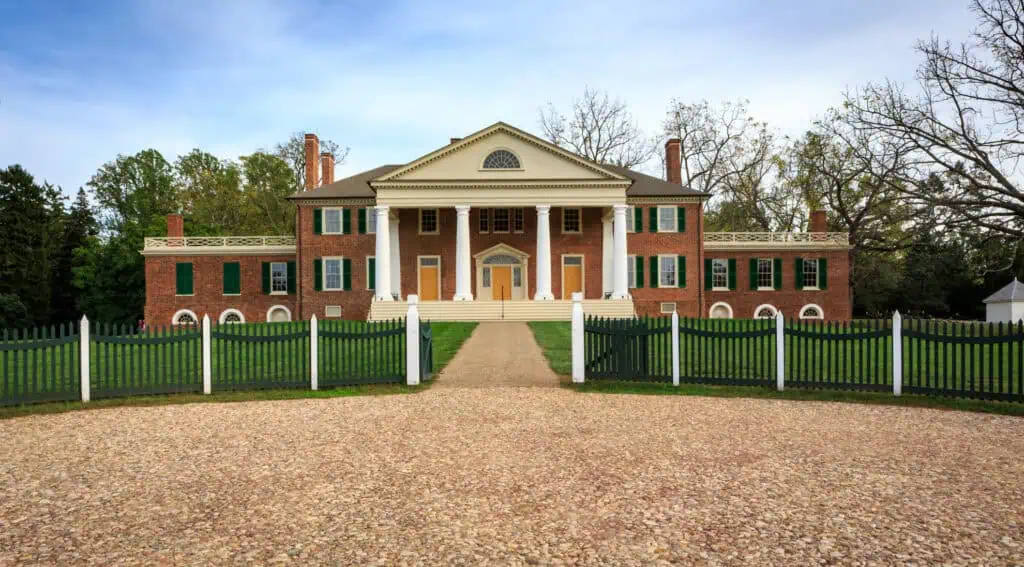
James Madison, the “Father of the Constitution,” lived at Montpelier, an estate nestled in Orange County, Virginia. This historic site reflects Madison’s intellectual achievements and his life on a working plantation.
Features of Montpelier
The centerpiece of Montpelier is the beautifully restored mansion, offering a glimpse into Madison’s world during his presidency. The surrounding grounds include vibrant gardens and trails, as well as the Gilmore Farm, a powerful testament to the lives of African Americans who lived and worked on the estate.
Montpelier stands out for its dedication to exploring the complexities of history, particularly its in-depth focus on slavery. Through the award-winning “The Mere Distinction of Colour” exhibit, visitors can learn about the lives of the enslaved people who supported Madison’s work and contributed to the estate.
Educational Experiences at Montpelier
Montpelier offers a variety of engaging tours and programs. These include guided mansion tours that delve into Madison’s role in drafting the Constitution and the Bill of Rights. Special events, such as Constitution Day celebrations and archaeology workshops, deepen the visitor experience. For those seeking a broader understanding, the estate’s interpretive programs explore both presidential history and the personal and political lives of the Madisons.
Monticello: The Home of Thomas Jefferson
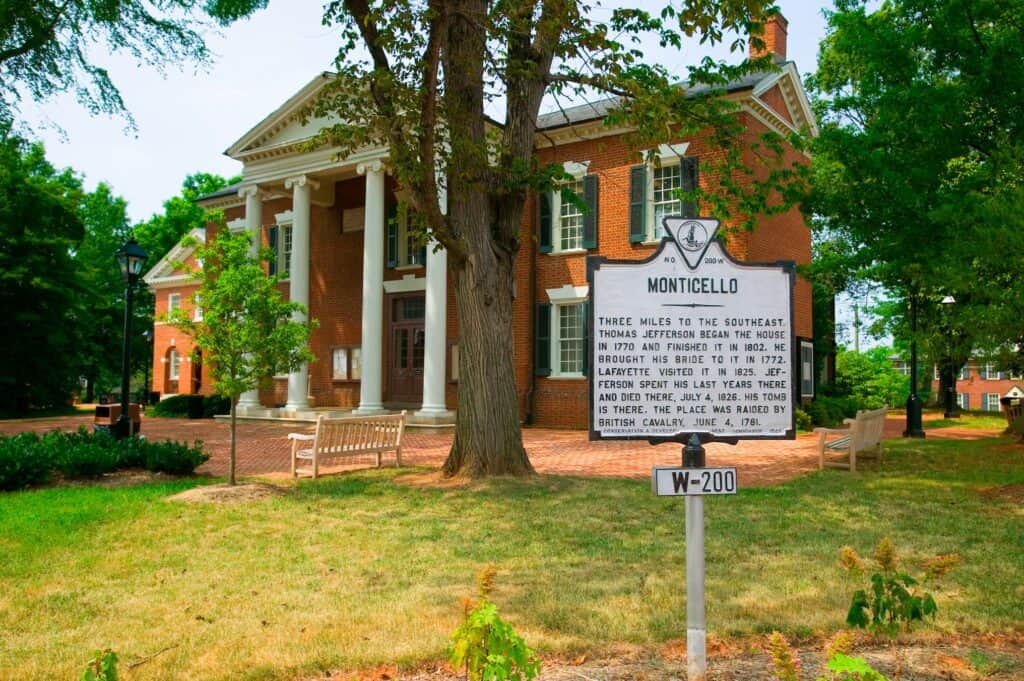
Thomas Jefferson’s Monticello, perched atop a hill in Charlottesville, is as much a reflection of his architectural genius as it is of his vision for an agrarian republic. This UNESCO World Heritage Site continues to captivate visitors with its beauty and historical significance.
Features of Monticello
Monticello is renowned for its innovative neoclassical design, a testament to Jefferson’s intellect and creativity. The estate includes terraced gardens, vineyards, and Mulberry Row, a restored area that sheds light on the lives of the enslaved people who labored at Monticello.
Visitors can explore Jefferson’s library, study, and other private quarters to gain insight into his multifaceted personality as a scholar, inventor, and politician. The grounds offer stunning views of the surrounding Blue Ridge Mountains, further enhancing the experience.
Tours and Exhibits at Monticello
Monticello’s tours offer something for everyone. Standard house tours provide a look into Jefferson’s daily life, while specialty tours focus on architecture, gardening, and the stories of the enslaved community. Seasonal events, such as the annual Heritage Harvest Festival, celebrate the agricultural legacy of Monticello and its role in early American life.
Mount Vernon: The Home of George Washington
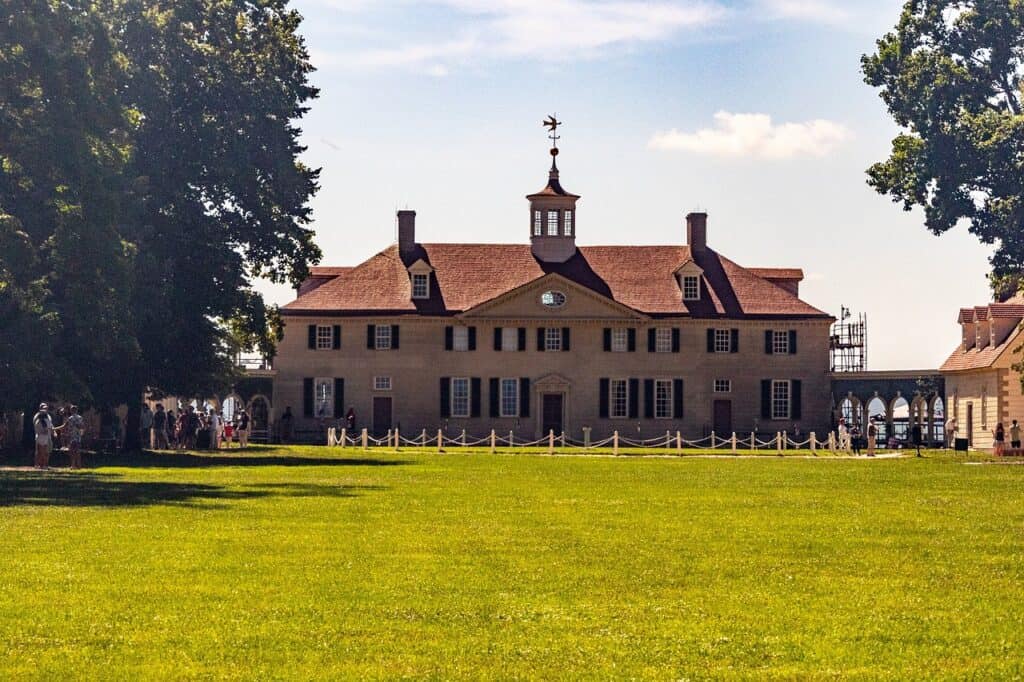
Mount Vernon, located on the banks of the Potomac River, was George Washington’s cherished home and a symbol of his enduring legacy. This sprawling estate offers a window into the life of America’s first ever president of the united front.
Features of Mount Vernon
The centerpiece of Mount Vernon is its grand mansion, meticulously restored to reflect its 18th-century appearance. The estate also features vibrant gardens, working farms, and reconstructed facilities like the distillery and gristmill, which highlight Washington’s entrepreneurial spirit.
Visitors can pay their respects at Washington’s tomb and reflect at the nearby slave memorial, which honors the lives of the enslaved individuals who worked on the plantation. These elements add depth to the story of Mount Vernon, emphasizing both Washington’s accomplishments and the challenges of his era.
The Mount Vernon Tour Experience
Mount Vernon offers a range of tours to suit every interest. The standard mansion tour provides an overview of Washington’s domestic life, while specialty tours delve into topics such as the Revolutionary War, Washington’s farming techniques, and the estate’s enslaved community. Interactive exhibits in the museum and education center bring Washington’s leadership and legacy to life.
Comparing Montpelier, Monticello, and Mount Vernon
Each of these presidential homes offers unique insights into its former resident, yet they share common themes of leadership, innovation, and the complexities of American history.
Montpelier vs. Monticello: Historical and Architectural Highlights
Montpelier reflects Madison’s dedication to constitutional governance, while Monticello showcases Jefferson’s passion for architecture, agriculture, and science. Both estates delve into the lives of the enslaved communities that sustained these iconic properties, making them powerful sites for understanding America’s founding ideals and contradictions.
Mount Vernon vs. Monticello: Contrasting Legacies
Mount Vernon emphasizes Washington’s leadership as a military commander and first president, whereas Monticello highlights Jefferson’s intellectual pursuits and his vision for an agrarian republic. Despite these differences, both estates address the lasting impact of slavery on their presidents respective legacies.
Common Themes Among the Three Homes
All three sites celebrate innovation and leadership while grappling with the moral complexities of the past. They encourage visitors to reflect on the ideals of liberty and equality and the sacrifices and contradictions inherent in their pursuit.
Planning Your Visit
Exploring Virginia’s presidential homes is a rewarding experience, but planning ahead ensures you make the most of your trip.
Best Times to Visit Presidential Homes in Virginia
Spring and fall are ideal for visiting these historic estates, as the mild weather allows you to enjoy the gardens and outdoor spaces. Seasonal events and tours often enhance the experience, offering unique insights and activities.
Tips for Touring Historic Homes
Book your tickets in advance, as these popular sites can fill up quickly. Wear comfortable walking shoes, as the estates are large and include uneven terrain. Consider bringing a notebook or camera to capture key moments and details during your visit.
Nearby Attractions and Activities
Virginia’s presidential homes are surrounded by rich history and culture. Pair your visit with a stop at local wineries near Monticello, Civil War battlefields near Montpelier, or waterfront dining near Mount Vernon.
Explore History at Montpelier and Beyond
Virginia’s presidential homes are more than just landmarks; they are gateways to understanding America’s past and the figures who shaped its future. Montpelier, Monticello, and Mount Vernon each offer a unique perspective on leadership, innovation, and the challenges of their time.
At Montpelier, you’ll find an unparalleled focus on James Madison’s constitutional contributions and the narratives of the enslaved individuals who lived there. With engaging exhibits, interactive tours, and breathtaking landscapes, Montpelier is a must-visit destination for history enthusiasts and families alike. Plan your tour with Montpelier today!